Color Psychology in Branding: How Colors Influence Consumer Behavior (2025)
Master color psychology to create memorable brands, evoke emotions, and drive conversions through strategic color choices.
Insights
Dec 11, 2025

Color isn't just decoration—it's a powerful psychological trigger that influences purchasing decisions, brand perception, and emotional responses. Research shows that color increases brand recognition by up to 80%, and 90% of snap judgments about products are based on color alone.
Understanding color psychology transforms guesswork into strategic design decisions that connect with your audience and differentiate your brand.
This guide covers the science behind color psychology, emotional impacts, differentiation strategies, and practical applications for creating color systems that convert.
Understanding Color Psychology
What Is Color Psychology?
Color psychology is the study of how colors affect human behavior, emotions, and decision-making. Different hues trigger specific psychological and physiological responses that influence:
Emotional state – Feelings of calm, excitement, trust, or urgency
Brand perception – Whether a brand feels premium, affordable, innovative, or traditional
Purchase decisions – Up to 85% of consumers cite color as the primary reason for buying a product
Memory and recognition – Color improves brand recall by 80%
The Science Behind Color Perception
Biological responses:
Red increases heart rate and creates urgency
Blue lowers blood pressure and promotes calm
Yellow stimulates mental activity and attention
Green reduces stress and promotes balance
Cultural variations: Different cultures interpret colors differently:
White: Purity in Western cultures, mourning in some Asian cultures
Red: Luck in China, danger in Western contexts
Purple: Royalty in West, mourning in Brazil
Yellow: Happiness in West, sacred in Hindu culture
Always research your target market's cultural color associations.
Primary Color Psychology
Red – Power, Passion, Urgency
Psychological effects:
Increases heart rate and blood pressure
Creates a sense of urgency (common in sales/clearance)
Stimulates appetite (restaurants use red frequently)
Associated with excitement, energy, and danger
Emotional triggers:
Passion and romance
Boldness and confidence
Aggression and intensity
Physical energy
Brand examples:
Coca-Cola: Excitement and energy
Netflix: Entertainment and passion
Target: Bold and accessible
YouTube: Excitement and engagement
Best for: Food, entertainment, sports, calls-to-action, sale promotions
Caution: Can be overwhelming; use as an accent, not a dominant color
Blue – Trust, Stability, Professionalism
Psychological effects:
Lowers heart rate and blood pressure
Creates feelings of security and trust
Most universally liked color (40% of people prefer blue)
Associated with intelligence and competence
Emotional triggers:
Trust and reliability
Calm and serenity
Professionalism and authority
Loyalty and stability
Brand examples:
Facebook: Trust and connection
PayPal: Financial security
IBM: Corporate reliability
American Express: Financial stability
Best for: Finance, healthcare, technology, corporate, SaaS, insurance
Caution: Can feel cold or impersonal; balance with warmer accents
Yellow – Optimism, Energy, Attention
Psychological effects:
Stimulates mental activity and memory
Most visible color to the human eye (great for warnings)
Creates feelings of happiness and optimism
It can cause eye fatigue in large amounts
Emotional triggers:
Happiness and positivity
Warmth and friendliness
Creativity and innovation
Caution and alertness
Brand examples:
McDonald's: Fun and approachability (with red)
Snapchat: Playful and youthful
IKEA: Affordable and cheerful (with blue)
Best Buy: Attention and value (with blue)
Best for: Children's products, food, creative industries, attention-grabbing CTAs
Caution: Overwhelming in large doses; use sparingly or with white space
Green – Growth, Health, Nature
Psychological effects:
Reduces stress and promotes relaxation
Associated with nature, health, and harmony
The easiest color for the eyes to process
Signals go-ahead and permission
Emotional triggers:
Balance and harmony
Growth and renewal
Health and wellness
Environmental consciousness
Brand examples:
Whole Foods: Natural and organic
Starbucks: Growth and renewal
Spotify: Fresh and innovative
BP: Environmental responsibility (attempted)
Best for: Organic products, wellness, financial growth, environmental brands
Caution: Can feel bland if not paired with complementary colors
Orange – Enthusiasm, Creativity, Affordability
Psychological effects:
Combines red's energy with yellow's friendliness
Creates feelings of excitement without aggression
Associated with affordability and value
Stimulates conversation and interaction
Emotional triggers:
Enthusiasm and excitement
Creativity and adventure
Friendliness and warmth
Affordability and accessibility
Brand examples:
Amazon: Friendly and accessible (arrow logo)
Nickelodeon: Playful and creative
Fanta: Fun and energetic
Home Depot: DIY and approachability
Best for: Creative industries, youth brands, affordable products, calls-to-action
Caution: It can appear cheap if not balanced with a sophisticated design
Purple – Luxury, Creativity, Spirituality
Psychological effects:
Historically rare dye = luxury association
Stimulates creativity and imagination
Associated with royalty and prestige
Promotes deep thinking and introspection
Emotional triggers:
Luxury and sophistication
Creativity and wisdom
Mystery and spirituality
Imagination and magic
Brand examples:
Cadbury: Premium chocolate
Hallmark: Emotional connection
Twitch: Creative and unique
FedEx: Reliability with sophistication (with orange)
Best for: Luxury brands, beauty products, creative services, spiritual/wellness
Caution: Can alienate mass market; use carefully for broad audiences
Black – Sophistication, Power, Elegance
Psychological effects:
Creates perception of luxury and exclusivity
Associated with power and authority
Provides maximum contrast (readability)
Can feel heavy or oppressive in excess
Emotional triggers:
Sophistication and elegance
Power and control
Mystery and intrigue
Timelessness and classic appeal
Brand examples:
Chanel: Luxury and elegance
Nike: Power and performance
Apple: Premium and sophisticated (with white)
Mercedes-Benz: Prestige and quality
Best for: Luxury goods, high-end products, fashion, premium services
Caution: Can feel intimidating or negative; balance with lighter colors
White – Purity, Simplicity, Cleanliness
Psychological effects:
Creates a sense of space and openness
Associated with cleanliness and sterility
Promotes mental clarity and focus
Can feel empty or sterile in excess
Emotional triggers:
Purity and innocence
Simplicity and minimalism
Cleanliness and safety
Modern and contemporary
Brand examples:
Apple: Clean and minimalist
Tesla: Futuristic and pure
Dove: Pure and gentle
Adidas: Clean and athletic (with black)
Best for: Healthcare, technology, minimalist brands, modern design.
Caution: Can lack personality; needs accent colors for interest.
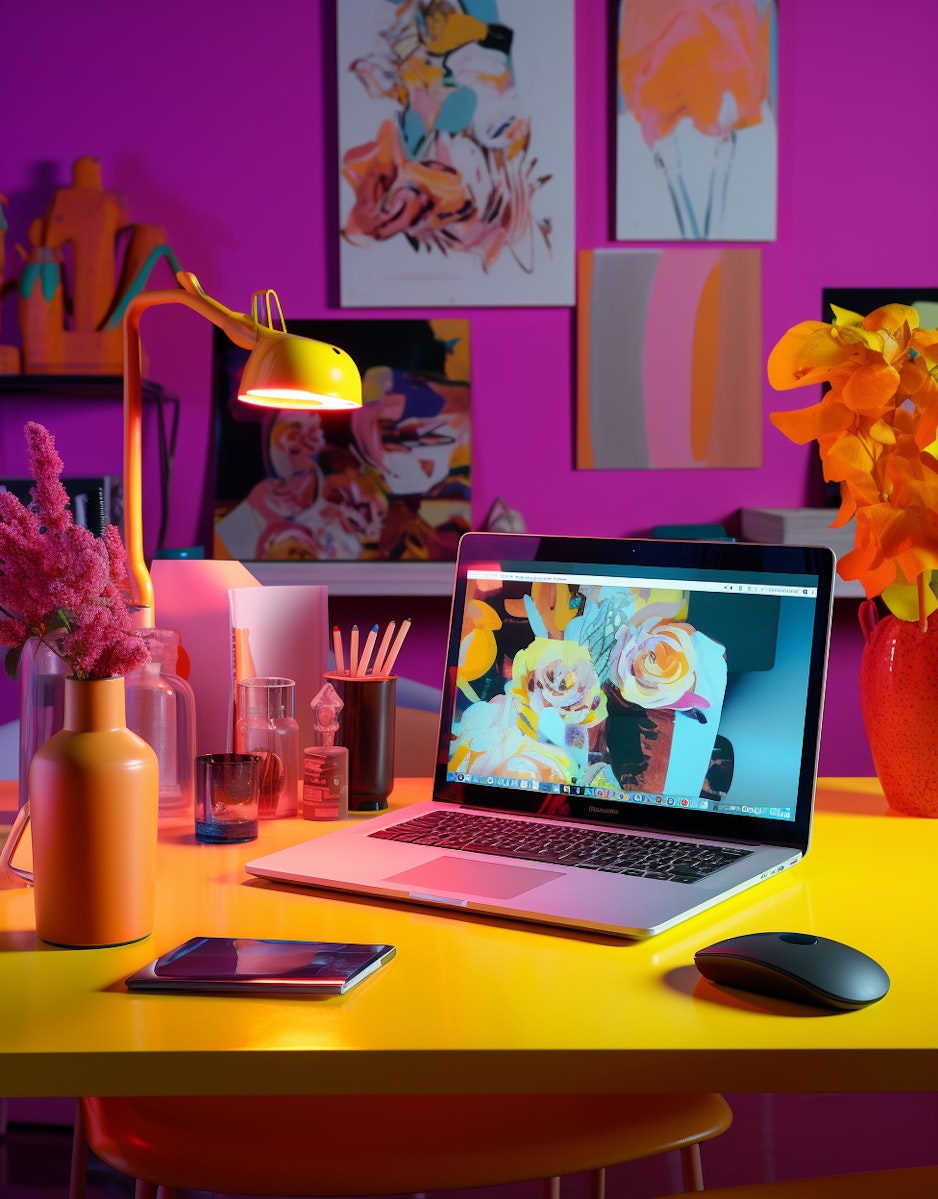
The Emotional Impact of Color on Branding
How Color Shapes Brand Personality
Color is the fastest way to communicate brand values and personality. Before reading a word, consumers form impressions based on color choices:
Sincerity and honesty: Blue, white, earth tones. Excitement and daring: Red, orange, yellow Competence and reliability: Blue, black, grey Sophistication and luxury: Black, purple, gold Ruggedness and outdoorsy: Brown, green, khaki
Color and Consumer Decision-Making
Statistical impact:
85% of consumers cite color as the primary reason for purchasing
Color increases brand recognition by 80%
Ads in color are read 42% more than black and white
Color improves comprehension by 73%
Full-color ads are 26% more memorable than B&W
Emotional Color Combinations
Trust + Innovation: Blue + Green
Used by: LinkedIn, Microsoft, Android
Energy + Friendliness: Red + Yellow
Used by: McDonald's, Shell, DHL
Luxury + Exclusivity: Black + Gold
Used by: Rolex, Prada, Louis Vuitton
Calm + Professional: Blue + Grey
Used by: American Express, WordPress, Dell
Creative + Bold: Purple + Orange
Used by: FedEx, Taco Bell, Firefox
Natural + Organic: Green + Brown
Used by: Whole Foods, The Body Shop, Patagonia
Industry-Specific Color Trends
Technology: Blue (trust), white (clean), black (sophisticated)
Examples: IBM, Dell, Apple, Microsoft
Food & Beverage: Red (appetite), yellow (happiness), green (fresh)
Examples: McDonald's, Subway, Starbucks
Healthcare: Blue (trust), green (health), white (clean)
Examples: CVS, Mayo Clinic, Cigna
Finance: Blue (trust), green (growth), black (authority)
Examples: Chase, Fidelity, American Express
Luxury: Black (elegance), gold (prestige), purple (royalty)
Examples: Chanel, Rolex, Cadbury
Eco/Sustainable: Green (nature), brown (earth), blue (water)
Examples: Whole Foods, Patagonia, Seventh Generation

Color as a Tool for Differentiation and Recognition
Standing Out in Crowded Markets
The competitive color audit:
Research competitor colors – What does your industry default to?
Identify saturation – Are most brands using blue? Red? Green?
Find the gap – What colors are underused in your space?
Test differentiation – Choose colors that make you memorable
Real-world examples:
T-Mobile (Magenta): Stood out in the telecom industry dominated by blue/red
UPS (Brown): "What can brown do for you?" in a sea of blue logistics companies
Tiffany & Co. (Tiffany Blue): Trademarked color creates instant recognition
Cadbury (Purple): Differentiated from the brown-dominated chocolate market
Creating Distinctive Color Signatures
Brand color ownership strategies:
Single signature color:
Tiffany Blue: Pantone 1837 (their founding year)
Coca-Cola Red: Instantly recognizable globally
Hermes Orange: Trademarked and protected
Unique combinations:
FedEx: Purple + orange (unexpected pairing)
Google: Primary colors (playful, inclusive)
Instagram: Purple-pink gradient (modern, creative)
Color consistency rules:
Use the same color values across all touchpoints
Create detailed brand guidelines with exact specs
Trademark signature colors when possible
Enforce usage rigorously
The 60-30-10 Color Rule
Professional color distribution for brand applications:
60% – Dominant color
Your primary brand color, used for backgrounds and major elements
30% – Secondary color
Supports primary, used for secondary content and accents
10% – Accent color
Calls-to-action, highlights, and important elements
Example: Spotify
60%: Black (dominant, sophistication)
30%: Dark grey (supporting backgrounds)
10%: Spotify Green (CTAs, highlights)
Testing Color Recognition
Brand recall study methods:
Show logo for 3 seconds
Remove logo
Ask the participant to identify the brand from memory
Measure the accuracy rate
Strong color recognition = 80%+ correct identification
Iconic brands (Coca-Cola, McDonald's, Starbucks) achieve 90%+ recognition through consistent color use over decades.


Practical Applications and Strategy
Building Your Brand Color Palette
Step 1: Define Brand Personality
List 5-7 adjectives describing your brand:
Example: Eco-friendly startup
Sustainable
Fresh
Trustworthy
Approachable
Innovative
Matching colors:
Sustainable → Green
Fresh → Light green/aqua
Trustworthy → Blue
Approachable → Warm neutrals
Innovative → Modern teal
Step 2: Research Your Audience
Demographic considerations:
Age groups:
Children: Bright primary colors (red, yellow, blue)
Teens/Young adults: Bold, trendy colors (neon, gradients)
Adults 25-45: Sophisticated, modern colors
Seniors 45+: Traditional, calming colors
Gender (general trends, not rules):
Women: Purple, blue, and green are more preferred
Men: Blue, green, and black are more preferred
Gender-neutral: Teal, yellow, and grey work broadly
Income level:
Budget-conscious: Bright, energetic colors (orange, yellow)
Mid-market: Balanced, trustworthy colors (blue, green)
Luxury: Sophisticated, exclusive colors (black, gold, purple)
Step 3: Create Your Color System
Primary colors (1-2): Your main brand colors that appear on every touchpoint
Secondary colors (2-3): Supporting colors for variety and hierarchy
Accent colors (1-2): Highlight colors for CTAs and important elements
Neutral colors (3-4): Backgrounds, text, borders (white, greys, blacks)
Example palette structure:
PRIMARY:
- Brand Blue: #0066FF
- Brand Coral: #FF6B6B

SECONDARY:
- Teal: #00D4AA
- Navy: #1A2B4D

ACCENT:
- Bright Yellow: #FFD93D

NEUTRALS:
- White: #FFFFFF
- Light Grey: #F5F5F5
- Grey: #9E9E9E
- Charcoal: #2D2D2D
- Black: #000000
Step 4: Ensure Accessibility
WCAG color contrast requirements:
Normal text (under 18px):
Minimum 4.5:1 contrast ratio (AA)
Recommended 7:1 (AAA)
Large text (18px+ or 14px+ bold):
Minimum 3:1 contrast ratio (AA)
Recommended 4.5:1 (AAA)
Test tools:
WebAIM Contrast Checker
Stark (Figma plugin)
Contrast Ratio by Lea Verou
Adobe Color accessibility tools
Color blindness considerations:
8% of men and 0.5% of women have color vision deficiency. Test your palette:
Protanopia: Red-green deficiency
Deuteranopia: Red-green deficiency (different type)
Tritanopia: Blue-yellow deficiency
Tools: Colorblind Web Page Filter, Stark, Adobe Color
Never use color alone to convey information:
Add icons to colored status indicators
Use patterns in addition to colors in charts
Include text labels alongside color-coded elements
Website and UI Color Strategy
Conversion-Focused Color Use
Call-to-action buttons:
Use high-contrast accent colors
Most effective: Orange, green, red
Test against the background for visibility
Maintain consistency across the site
A/B test findings:
Red buttons increased conversions by 21% (HubSpot)
Green "Add to Cart" lifted sales 6.3% (Performable)
Orange CTA improved signups 32.5% (Wingify)
Results vary by context—always test for your audience
Color Hierarchy for User Experience
Visual importance order:
Primary actions: Bright, saturated accent colors
Secondary actions: Muted or outlined versions
Tertiary actions: Grey or subtle colors
Disabled states: Very light grey, low contrast
Example button hierarchy:
Primary: Solid blue, white text
Secondary: Blue outline, blue text
Tertiary: Grey text only
Disabled: Light grey fill, grey text
Background and Content Colors
Light mode:
Background: Pure white or warm off-white (
#FAFAFA)Primary text: Near-black (
#1A1A1A, not#000000)Secondary text: Medium grey (
#666666)Borders: Light grey (
#E0E0E0)
Dark mode:
Background: Near-black (
#121212, not pure black)Primary text: Off-white (
#E0E0E0)Secondary text: Medium grey (
#A0A0A0)Borders: Dark grey (
#2D2D2D)
Why not pure black/white?
Reduces eye strain
Better contrast without harshness
More sophisticated appearance
Easier to create depth with shadows
Social Media and Marketing Color Strategy
Platform-Specific Considerations
Instagram:
Vibrant, saturated colors perform best
Gradients are popular and engaging
A consistent color scheme across posts builds recognition
LinkedIn:
Professional, sophisticated colors
Blues and neutrals perform well
Avoid overly bright or playful colors
Twitter:
High contrast for small thumbnails
Bold colors stand out in the feed
Consistent branding aids recognition
Facebook:
Warm, friendly colors engage
High contrast for news feed visibility
Video thumbnails benefit from bright colors
Seasonal and Campaign Colors
Temporary color variations:
Holidays:
Christmas: Red, green, gold
Valentine's: Pink, red, white
Halloween: Orange, black, purple
Summer: Bright, vibrant colors
Special campaigns:
Maintain core brand colors
Add seasonal accents (20-30% of palette)
Return to standard colors post-campaign
Example: Starbucks
Standard: Green brand color year-round
Holiday: Adds red for Christmas cups
Spring: Incorporates pastels for seasonal drinks
Always returns to signature green
Print and Packaging Color Strategy
Color Mode Differences
RGB (Digital):
Red, Green, Blue light
Used for screens
Larger color gamut
Colors appear brighter
CMYK (Print):
Cyan, Magenta, Yellow, Black ink
Used for printing
Smaller color gamut
Colors appear more muted
Important: Always convert and test CMYK before printing. Bright blues and neon colors may shift significantly.
Packaging Psychology
Premium products:
Black, gold, silver, deep purple
Matte or metallic finishes
Minimal color palette
Mass market:
Bright, attention-grabbing colors
Multiple colors acceptable
Glossy finishes common
Organic/Natural:
Earth tones (green, brown, beige)
Kraft paper aesthetic
Soft, muted colors
Children's products:
Primary colors (red, blue, yellow)
High saturation and brightness
Multiple colors create excitement
Creating Brand Color Guidelines
Essential Documentation
Color specifications:
PRIMARY BRAND COLOR: Ocean Blue

Digital (RGB): 0, 102, 255
Print (CMYK): 100, 60, 0, 0
Web (HEX): #0066FF
Pantone: 2727 C

Usage: Primary brand color for logos, headers, CTAs
Pairings: Works with white, light grey, coral accent
Avoid: Do not pair with red or bright green
Document for each color:
Color name (branded naming)
All color mode values (RGB, CMYK, HEX, Pantone)
Usage guidelines (when and where to use)
Do's and don'ts
Accessibility notes
Visual Brand Guidelines
Include:
Correct usage examples:
Logo with proper colors
Website mockups
Marketing materials
Packaging samples
Incorrect usage examples:
Wrong color combinations
Poor contrast examples
Unapproved color variations
Accessible online: PDF, web page, Figma file for team access
Color Psychology Cheat Sheet
Quick Reference by Industry
Industry | Recommended Colors | Psychology |
|---|---|---|
Technology | Blue, white, black | Trust, innovation, sophistication |
Healthcare | Blue, green, white | Trust, health, cleanliness |
Finance | Blue, green, black | Trust, growth, authority |
Food | Red, yellow, orange | Appetite, happiness, energy |
Luxury | Black, gold, purple | Sophistication, prestige, exclusivity |
Eco/Organic | Green, brown, blue | Nature, earth, sustainability |
Children | Primary colors | Fun, energy, playfulness |
Beauty | Pink, purple, gold | Femininity, luxury, creativity |
Quick Reference by Emotion
Desired Emotion | Color Choice | Examples |
|---|---|---|
Trust | Blue | PayPal, Facebook, LinkedIn |
Excitement | Red, orange | Coca-Cola, Netflix, Nickelodeon |
Calm | Blue, green | Spotify, Android, Whole Foods |
Luxury | Black, purple, gold | Chanel, Cadbury, Rolex |
Innovation | Blue, teal | Intel, Microsoft, Mailchimp |
Energy | Red, yellow, orange | McDonald's, Shell, Fanta |
Nature | Green, brown | Patagonia, Whole Foods, BP |
Common Color Strategy Mistakes to Avoid
❌ Choosing colors based on personal preference instead of audience research
❌ Following competitors exactly instead of differentiating
❌ Using too many colors (more than 5 in the primary palette)
❌ Ignoring cultural color meanings in global markets
❌ Poor contrast makes the text unreadable
❌ Inconsistent color use across touchpoints
❌ Not testing for color blindness accessibility
❌ Forgetting RGB vs CMYK color mode differences
❌ Trendy colors that won't age well
❌ No documentation of color specifications
Key Takeaways
1. Color drives 85% of purchasing decisions – Strategic color choices directly impact revenue
2. Different colors evoke specific emotions – Match colors to desired emotional response
3. Industry norms exist for good reasons – Understand conventions before breaking them
4. Differentiation creates recognition – Stand out with unique color choices
5. Consistency builds brand equity – Use the same colors across all touchpoints
6. Accessibility is non-negotiable – Test contrast ratios and color blindness
7. Cultural context matters – Research color meanings in target markets
8. Test, don't guess – A/B test color choices with real users
Conclusion: Color as a Strategic Advantage
Color isn't subjective decoration—it's a strategic tool backed by psychology, neuroscience, and proven consumer behavior patterns. The most successful brands understand that color choices influence:
First impressions in 90 milliseconds
Brand recognition by up to 80%
Purchase decisions for 85% of consumers
Emotional connections that drive loyalty
Your action plan:
Define brand personality – List adjectives describing your brand
Research audience preferences – Consider demographics and psychology
Audit competitor colors – Identify differentiation opportunities
Build an accessible palette – Test contrast and color blindness
Document guidelines – Create specifications for consistent use
Test with real users – Validate choices with the target audience
Implement consistently – Apply across all touchpoints
Monitor and refine – Track recognition and adjust as needed
Great color strategy compounds over time. Coca-Cola's red, Tiffany's blue, and Starbucks' green didn't become iconic overnight—they became memorable through consistent, strategic application over decades.
Start with solid psychological foundations, test rigorously, and commit to consistency. Your color choices today become your brand recognition tomorrow.
Ready to develop a strategic color system? Explore our portfolio for brand color case studies, or contact us to discuss creating a psychologically-informed color palette for your brand.
Recommended Color Tools
Palette Generators: Adobe Color, Coolors, Paletton
Accessibility Testing: WebAIM, Stark, Contrast Ratio
Inspiration: Dribbble, Behance, Brand New
Documentation: Figma, Adobe XD, Brand.ai

More to Discover


Color Psychology in Branding: How Colors Influence Consumer Behavior (2025)
Master color psychology to create memorable brands, evoke emotions, and drive conversions through strategic color choices.
Insights
Dec 11, 2025
Color isn't just decoration—it's a powerful psychological trigger that influences purchasing decisions, brand perception, and emotional responses. Research shows that color increases brand recognition by up to 80%, and 90% of snap judgments about products are based on color alone.
Understanding color psychology transforms guesswork into strategic design decisions that connect with your audience and differentiate your brand.
This guide covers the science behind color psychology, emotional impacts, differentiation strategies, and practical applications for creating color systems that convert.
Understanding Color Psychology
What Is Color Psychology?
Color psychology is the study of how colors affect human behavior, emotions, and decision-making. Different hues trigger specific psychological and physiological responses that influence:
Emotional state – Feelings of calm, excitement, trust, or urgency
Brand perception – Whether a brand feels premium, affordable, innovative, or traditional
Purchase decisions – Up to 85% of consumers cite color as the primary reason for buying a product
Memory and recognition – Color improves brand recall by 80%
The Science Behind Color Perception
Biological responses:
Red increases heart rate and creates urgency
Blue lowers blood pressure and promotes calm
Yellow stimulates mental activity and attention
Green reduces stress and promotes balance
Cultural variations: Different cultures interpret colors differently:
White: Purity in Western cultures, mourning in some Asian cultures
Red: Luck in China, danger in Western contexts
Purple: Royalty in West, mourning in Brazil
Yellow: Happiness in West, sacred in Hindu culture
Always research your target market's cultural color associations.
Primary Color Psychology
Red – Power, Passion, Urgency
Psychological effects:
Increases heart rate and blood pressure
Creates a sense of urgency (common in sales/clearance)
Stimulates appetite (restaurants use red frequently)
Associated with excitement, energy, and danger
Emotional triggers:
Passion and romance
Boldness and confidence
Aggression and intensity
Physical energy
Brand examples:
Coca-Cola: Excitement and energy
Netflix: Entertainment and passion
Target: Bold and accessible
YouTube: Excitement and engagement
Best for: Food, entertainment, sports, calls-to-action, sale promotions
Caution: Can be overwhelming; use as an accent, not a dominant color
Blue – Trust, Stability, Professionalism
Psychological effects:
Lowers heart rate and blood pressure
Creates feelings of security and trust
Most universally liked color (40% of people prefer blue)
Associated with intelligence and competence
Emotional triggers:
Trust and reliability
Calm and serenity
Professionalism and authority
Loyalty and stability
Brand examples:
Facebook: Trust and connection
PayPal: Financial security
IBM: Corporate reliability
American Express: Financial stability
Best for: Finance, healthcare, technology, corporate, SaaS, insurance
Caution: Can feel cold or impersonal; balance with warmer accents
Yellow – Optimism, Energy, Attention
Psychological effects:
Stimulates mental activity and memory
Most visible color to the human eye (great for warnings)
Creates feelings of happiness and optimism
It can cause eye fatigue in large amounts
Emotional triggers:
Happiness and positivity
Warmth and friendliness
Creativity and innovation
Caution and alertness
Brand examples:
McDonald's: Fun and approachability (with red)
Snapchat: Playful and youthful
IKEA: Affordable and cheerful (with blue)
Best Buy: Attention and value (with blue)
Best for: Children's products, food, creative industries, attention-grabbing CTAs
Caution: Overwhelming in large doses; use sparingly or with white space
Green – Growth, Health, Nature
Psychological effects:
Reduces stress and promotes relaxation
Associated with nature, health, and harmony
The easiest color for the eyes to process
Signals go-ahead and permission
Emotional triggers:
Balance and harmony
Growth and renewal
Health and wellness
Environmental consciousness
Brand examples:
Whole Foods: Natural and organic
Starbucks: Growth and renewal
Spotify: Fresh and innovative
BP: Environmental responsibility (attempted)
Best for: Organic products, wellness, financial growth, environmental brands
Caution: Can feel bland if not paired with complementary colors
Orange – Enthusiasm, Creativity, Affordability
Psychological effects:
Combines red's energy with yellow's friendliness
Creates feelings of excitement without aggression
Associated with affordability and value
Stimulates conversation and interaction
Emotional triggers:
Enthusiasm and excitement
Creativity and adventure
Friendliness and warmth
Affordability and accessibility
Brand examples:
Amazon: Friendly and accessible (arrow logo)
Nickelodeon: Playful and creative
Fanta: Fun and energetic
Home Depot: DIY and approachability
Best for: Creative industries, youth brands, affordable products, calls-to-action
Caution: It can appear cheap if not balanced with a sophisticated design
Purple – Luxury, Creativity, Spirituality
Psychological effects:
Historically rare dye = luxury association
Stimulates creativity and imagination
Associated with royalty and prestige
Promotes deep thinking and introspection
Emotional triggers:
Luxury and sophistication
Creativity and wisdom
Mystery and spirituality
Imagination and magic
Brand examples:
Cadbury: Premium chocolate
Hallmark: Emotional connection
Twitch: Creative and unique
FedEx: Reliability with sophistication (with orange)
Best for: Luxury brands, beauty products, creative services, spiritual/wellness
Caution: Can alienate mass market; use carefully for broad audiences
Black – Sophistication, Power, Elegance
Psychological effects:
Creates perception of luxury and exclusivity
Associated with power and authority
Provides maximum contrast (readability)
Can feel heavy or oppressive in excess
Emotional triggers:
Sophistication and elegance
Power and control
Mystery and intrigue
Timelessness and classic appeal
Brand examples:
Chanel: Luxury and elegance
Nike: Power and performance
Apple: Premium and sophisticated (with white)
Mercedes-Benz: Prestige and quality
Best for: Luxury goods, high-end products, fashion, premium services
Caution: Can feel intimidating or negative; balance with lighter colors
White – Purity, Simplicity, Cleanliness
Psychological effects:
Creates a sense of space and openness
Associated with cleanliness and sterility
Promotes mental clarity and focus
Can feel empty or sterile in excess
Emotional triggers:
Purity and innocence
Simplicity and minimalism
Cleanliness and safety
Modern and contemporary
Brand examples:
Apple: Clean and minimalist
Tesla: Futuristic and pure
Dove: Pure and gentle
Adidas: Clean and athletic (with black)
Best for: Healthcare, technology, minimalist brands, modern design.
Caution: Can lack personality; needs accent colors for interest.
The Emotional Impact of Color on Branding
How Color Shapes Brand Personality
Color is the fastest way to communicate brand values and personality. Before reading a word, consumers form impressions based on color choices:
Sincerity and honesty: Blue, white, earth tones. Excitement and daring: Red, orange, yellow Competence and reliability: Blue, black, grey Sophistication and luxury: Black, purple, gold Ruggedness and outdoorsy: Brown, green, khaki
Color and Consumer Decision-Making
Statistical impact:
85% of consumers cite color as the primary reason for purchasing
Color increases brand recognition by 80%
Ads in color are read 42% more than black and white
Color improves comprehension by 73%
Full-color ads are 26% more memorable than B&W
Emotional Color Combinations
Trust + Innovation: Blue + Green
Used by: LinkedIn, Microsoft, Android
Energy + Friendliness: Red + Yellow
Used by: McDonald's, Shell, DHL
Luxury + Exclusivity: Black + Gold
Used by: Rolex, Prada, Louis Vuitton
Calm + Professional: Blue + Grey
Used by: American Express, WordPress, Dell
Creative + Bold: Purple + Orange
Used by: FedEx, Taco Bell, Firefox
Natural + Organic: Green + Brown
Used by: Whole Foods, The Body Shop, Patagonia
Industry-Specific Color Trends
Technology: Blue (trust), white (clean), black (sophisticated)
Examples: IBM, Dell, Apple, Microsoft
Food & Beverage: Red (appetite), yellow (happiness), green (fresh)
Examples: McDonald's, Subway, Starbucks
Healthcare: Blue (trust), green (health), white (clean)
Examples: CVS, Mayo Clinic, Cigna
Finance: Blue (trust), green (growth), black (authority)
Examples: Chase, Fidelity, American Express
Luxury: Black (elegance), gold (prestige), purple (royalty)
Examples: Chanel, Rolex, Cadbury
Eco/Sustainable: Green (nature), brown (earth), blue (water)
Examples: Whole Foods, Patagonia, Seventh Generation
Color as a Tool for Differentiation and Recognition
Standing Out in Crowded Markets
The competitive color audit:
Research competitor colors – What does your industry default to?
Identify saturation – Are most brands using blue? Red? Green?
Find the gap – What colors are underused in your space?
Test differentiation – Choose colors that make you memorable
Real-world examples:
T-Mobile (Magenta): Stood out in the telecom industry dominated by blue/red
UPS (Brown): "What can brown do for you?" in a sea of blue logistics companies
Tiffany & Co. (Tiffany Blue): Trademarked color creates instant recognition
Cadbury (Purple): Differentiated from the brown-dominated chocolate market
Creating Distinctive Color Signatures
Brand color ownership strategies:
Single signature color:
Tiffany Blue: Pantone 1837 (their founding year)
Coca-Cola Red: Instantly recognizable globally
Hermes Orange: Trademarked and protected
Unique combinations:
FedEx: Purple + orange (unexpected pairing)
Google: Primary colors (playful, inclusive)
Instagram: Purple-pink gradient (modern, creative)
Color consistency rules:
Use the same color values across all touchpoints
Create detailed brand guidelines with exact specs
Trademark signature colors when possible
Enforce usage rigorously
The 60-30-10 Color Rule
Professional color distribution for brand applications:
60% – Dominant color
Your primary brand color, used for backgrounds and major elements
30% – Secondary color
Supports primary, used for secondary content and accents
10% – Accent color
Calls-to-action, highlights, and important elements
Example: Spotify
60%: Black (dominant, sophistication)
30%: Dark grey (supporting backgrounds)
10%: Spotify Green (CTAs, highlights)
Testing Color Recognition
Brand recall study methods:
Show logo for 3 seconds
Remove logo
Ask the participant to identify the brand from memory
Measure the accuracy rate
Strong color recognition = 80%+ correct identification
Iconic brands (Coca-Cola, McDonald's, Starbucks) achieve 90%+ recognition through consistent color use over decades.
Practical Applications and Strategy
Building Your Brand Color Palette
Step 1: Define Brand Personality
List 5-7 adjectives describing your brand:
Example: Eco-friendly startup
Sustainable
Fresh
Trustworthy
Approachable
Innovative
Matching colors:
Sustainable → Green
Fresh → Light green/aqua
Trustworthy → Blue
Approachable → Warm neutrals
Innovative → Modern teal
Step 2: Research Your Audience
Demographic considerations:
Age groups:
Children: Bright primary colors (red, yellow, blue)
Teens/Young adults: Bold, trendy colors (neon, gradients)
Adults 25-45: Sophisticated, modern colors
Seniors 45+: Traditional, calming colors
Gender (general trends, not rules):
Women: Purple, blue, and green are more preferred
Men: Blue, green, and black are more preferred
Gender-neutral: Teal, yellow, and grey work broadly
Income level:
Budget-conscious: Bright, energetic colors (orange, yellow)
Mid-market: Balanced, trustworthy colors (blue, green)
Luxury: Sophisticated, exclusive colors (black, gold, purple)
Step 3: Create Your Color System
Primary colors (1-2): Your main brand colors that appear on every touchpoint
Secondary colors (2-3): Supporting colors for variety and hierarchy
Accent colors (1-2): Highlight colors for CTAs and important elements
Neutral colors (3-4): Backgrounds, text, borders (white, greys, blacks)
Example palette structure:
PRIMARY:
- Brand Blue: #0066FF
- Brand Coral: #FF6B6B

SECONDARY:
- Teal: #00D4AA
- Navy: #1A2B4D

ACCENT:
- Bright Yellow: #FFD93D

NEUTRALS:
- White: #FFFFFF
- Light Grey: #F5F5F5
- Grey: #9E9E9E
- Charcoal: #2D2D2D
- Black: #000000
Step 4: Ensure Accessibility
WCAG color contrast requirements:
Normal text (under 18px):
Minimum 4.5:1 contrast ratio (AA)
Recommended 7:1 (AAA)
Large text (18px+ or 14px+ bold):
Minimum 3:1 contrast ratio (AA)
Recommended 4.5:1 (AAA)
Test tools:
WebAIM Contrast Checker
Stark (Figma plugin)
Contrast Ratio by Lea Verou
Adobe Color accessibility tools
Color blindness considerations:
8% of men and 0.5% of women have color vision deficiency. Test your palette:
Protanopia: Red-green deficiency
Deuteranopia: Red-green deficiency (different type)
Tritanopia: Blue-yellow deficiency
Tools: Colorblind Web Page Filter, Stark, Adobe Color
Never use color alone to convey information:
Add icons to colored status indicators
Use patterns in addition to colors in charts
Include text labels alongside color-coded elements
Website and UI Color Strategy
Conversion-Focused Color Use
Call-to-action buttons:
Use high-contrast accent colors
Most effective: Orange, green, red
Test against the background for visibility
Maintain consistency across the site
A/B test findings:
Red buttons increased conversions by 21% (HubSpot)
Green "Add to Cart" lifted sales 6.3% (Performable)
Orange CTA improved signups 32.5% (Wingify)
Results vary by context—always test for your audience
Color Hierarchy for User Experience
Visual importance order:
Primary actions: Bright, saturated accent colors
Secondary actions: Muted or outlined versions
Tertiary actions: Grey or subtle colors
Disabled states: Very light grey, low contrast
Example button hierarchy:
Primary: Solid blue, white text
Secondary: Blue outline, blue text
Tertiary: Grey text only
Disabled: Light grey fill, grey text
Background and Content Colors
Light mode:
Background: Pure white or warm off-white (
#FAFAFA)Primary text: Near-black (
#1A1A1A, not#000000)Secondary text: Medium grey (
#666666)Borders: Light grey (
#E0E0E0)
Dark mode:
Background: Near-black (
#121212, not pure black)Primary text: Off-white (
#E0E0E0)Secondary text: Medium grey (
#A0A0A0)Borders: Dark grey (
#2D2D2D)
Why not pure black/white?
Reduces eye strain
Better contrast without harshness
More sophisticated appearance
Easier to create depth with shadows
Social Media and Marketing Color Strategy
Platform-Specific Considerations
Instagram:
Vibrant, saturated colors perform best
Gradients are popular and engaging
A consistent color scheme across posts builds recognition
LinkedIn:
Professional, sophisticated colors
Blues and neutrals perform well
Avoid overly bright or playful colors
Twitter:
High contrast for small thumbnails
Bold colors stand out in the feed
Consistent branding aids recognition
Facebook:
Warm, friendly colors engage
High contrast for news feed visibility
Video thumbnails benefit from bright colors
Seasonal and Campaign Colors
Temporary color variations:
Holidays:
Christmas: Red, green, gold
Valentine's: Pink, red, white
Halloween: Orange, black, purple
Summer: Bright, vibrant colors
Special campaigns:
Maintain core brand colors
Add seasonal accents (20-30% of palette)
Return to standard colors post-campaign
Example: Starbucks
Standard: Green brand color year-round
Holiday: Adds red for Christmas cups
Spring: Incorporates pastels for seasonal drinks
Always returns to signature green
Print and Packaging Color Strategy
Color Mode Differences
RGB (Digital):
Red, Green, Blue light
Used for screens
Larger color gamut
Colors appear brighter
CMYK (Print):
Cyan, Magenta, Yellow, Black ink
Used for printing
Smaller color gamut
Colors appear more muted
Important: Always convert and test CMYK before printing. Bright blues and neon colors may shift significantly.
Packaging Psychology
Premium products:
Black, gold, silver, deep purple
Matte or metallic finishes
Minimal color palette
Mass market:
Bright, attention-grabbing colors
Multiple colors acceptable
Glossy finishes common
Organic/Natural:
Earth tones (green, brown, beige)
Kraft paper aesthetic
Soft, muted colors
Children's products:
Primary colors (red, blue, yellow)
High saturation and brightness
Multiple colors create excitement
Creating Brand Color Guidelines
Essential Documentation
Color specifications:
PRIMARY BRAND COLOR: Ocean Blue

Digital (RGB): 0, 102, 255
Print (CMYK): 100, 60, 0, 0
Web (HEX): #0066FF
Pantone: 2727 C

Usage: Primary brand color for logos, headers, CTAs
Pairings: Works with white, light grey, coral accent
Avoid: Do not pair with red or bright green
Document for each color:
Color name (branded naming)
All color mode values (RGB, CMYK, HEX, Pantone)
Usage guidelines (when and where to use)
Do's and don'ts
Accessibility notes
Visual Brand Guidelines
Include:
Correct usage examples:
Logo with proper colors
Website mockups
Marketing materials
Packaging samples
Incorrect usage examples:
Wrong color combinations
Poor contrast examples
Unapproved color variations
Accessible online: PDF, web page, Figma file for team access
Color Psychology Cheat Sheet
Quick Reference by Industry
Industry | Recommended Colors | Psychology |
|---|---|---|
Technology | Blue, white, black | Trust, innovation, sophistication |
Healthcare | Blue, green, white | Trust, health, cleanliness |
Finance | Blue, green, black | Trust, growth, authority |
Food | Red, yellow, orange | Appetite, happiness, energy |
Luxury | Black, gold, purple | Sophistication, prestige, exclusivity |
Eco/Organic | Green, brown, blue | Nature, earth, sustainability |
Children | Primary colors | Fun, energy, playfulness |
Beauty | Pink, purple, gold | Femininity, luxury, creativity |
Quick Reference by Emotion
Desired Emotion | Color Choice | Examples |
|---|---|---|
Trust | Blue | PayPal, Facebook, LinkedIn |
Excitement | Red, orange | Coca-Cola, Netflix, Nickelodeon |
Calm | Blue, green | Spotify, Android, Whole Foods |
Luxury | Black, purple, gold | Chanel, Cadbury, Rolex |
Innovation | Blue, teal | Intel, Microsoft, Mailchimp |
Energy | Red, yellow, orange | McDonald's, Shell, Fanta |
Nature | Green, brown | Patagonia, Whole Foods, BP |
Common Color Strategy Mistakes to Avoid
❌ Choosing colors based on personal preference instead of audience research
❌ Following competitors exactly instead of differentiating
❌ Using too many colors (more than 5 in the primary palette)
❌ Ignoring cultural color meanings in global markets
❌ Poor contrast makes the text unreadable
❌ Inconsistent color use across touchpoints
❌ Not testing for color blindness accessibility
❌ Forgetting RGB vs CMYK color mode differences
❌ Trendy colors that won't age well
❌ No documentation of color specifications
Key Takeaways
1. Color drives 85% of purchasing decisions – Strategic color choices directly impact revenue
2. Different colors evoke specific emotions – Match colors to desired emotional response
3. Industry norms exist for good reasons – Understand conventions before breaking them
4. Differentiation creates recognition – Stand out with unique color choices
5. Consistency builds brand equity – Use the same colors across all touchpoints
6. Accessibility is non-negotiable – Test contrast ratios and color blindness
7. Cultural context matters – Research color meanings in target markets
8. Test, don't guess – A/B test color choices with real users
Conclusion: Color as a Strategic Advantage
Color isn't subjective decoration—it's a strategic tool backed by psychology, neuroscience, and proven consumer behavior patterns. The most successful brands understand that color choices influence:
First impressions in 90 milliseconds
Brand recognition by up to 80%
Purchase decisions for 85% of consumers
Emotional connections that drive loyalty
Your action plan:
Define brand personality – List adjectives describing your brand
Research audience preferences – Consider demographics and psychology
Audit competitor colors – Identify differentiation opportunities
Build an accessible palette – Test contrast and color blindness
Document guidelines – Create specifications for consistent use
Test with real users – Validate choices with the target audience
Implement consistently – Apply across all touchpoints
Monitor and refine – Track recognition and adjust as needed
Great color strategy compounds over time. Coca-Cola's red, Tiffany's blue, and Starbucks' green didn't become iconic overnight—they became memorable through consistent, strategic application over decades.
Start with solid psychological foundations, test rigorously, and commit to consistency. Your color choices today become your brand recognition tomorrow.
Ready to develop a strategic color system? Explore our portfolio for brand color case studies, or contact us to discuss creating a psychologically-informed color palette for your brand.
Recommended Color Tools
Palette Generators: Adobe Color, Coolors, Paletton
Accessibility Testing: WebAIM, Stark, Contrast Ratio
Inspiration: Dribbble, Behance, Brand New
Documentation: Figma, Adobe XD, Brand.ai
More to Discover
Color Psychology in Branding: How Colors Influence Consumer Behavior (2025)
Master color psychology to create memorable brands, evoke emotions, and drive conversions through strategic color choices.
Insights
Dec 11, 2025
Color isn't just decoration—it's a powerful psychological trigger that influences purchasing decisions, brand perception, and emotional responses. Research shows that color increases brand recognition by up to 80%, and 90% of snap judgments about products are based on color alone.
Understanding color psychology transforms guesswork into strategic design decisions that connect with your audience and differentiate your brand.
This guide covers the science behind color psychology, emotional impacts, differentiation strategies, and practical applications for creating color systems that convert.
Understanding Color Psychology
What Is Color Psychology?
Color psychology is the study of how colors affect human behavior, emotions, and decision-making. Different hues trigger specific psychological and physiological responses that influence:
Emotional state – Feelings of calm, excitement, trust, or urgency
Brand perception – Whether a brand feels premium, affordable, innovative, or traditional
Purchase decisions – Up to 85% of consumers cite color as the primary reason for buying a product
Memory and recognition – Color improves brand recall by 80%
The Science Behind Color Perception
Biological responses:
Red increases heart rate and creates urgency
Blue lowers blood pressure and promotes calm
Yellow stimulates mental activity and attention
Green reduces stress and promotes balance
Cultural variations: Different cultures interpret colors differently:
White: Purity in Western cultures, mourning in some Asian cultures
Red: Luck in China, danger in Western contexts
Purple: Royalty in West, mourning in Brazil
Yellow: Happiness in West, sacred in Hindu culture
Always research your target market's cultural color associations.
Primary Color Psychology
Red – Power, Passion, Urgency
Psychological effects:
Increases heart rate and blood pressure
Creates a sense of urgency (common in sales/clearance)
Stimulates appetite (restaurants use red frequently)
Associated with excitement, energy, and danger
Emotional triggers:
Passion and romance
Boldness and confidence
Aggression and intensity
Physical energy
Brand examples:
Coca-Cola: Excitement and energy
Netflix: Entertainment and passion
Target: Bold and accessible
YouTube: Excitement and engagement
Best for: Food, entertainment, sports, calls-to-action, sale promotions
Caution: Can be overwhelming; use as an accent, not a dominant color
Blue – Trust, Stability, Professionalism
Psychological effects:
Lowers heart rate and blood pressure
Creates feelings of security and trust
Most universally liked color (40% of people prefer blue)
Associated with intelligence and competence
Emotional triggers:
Trust and reliability
Calm and serenity
Professionalism and authority
Loyalty and stability
Brand examples:
Facebook: Trust and connection
PayPal: Financial security
IBM: Corporate reliability
American Express: Financial stability
Best for: Finance, healthcare, technology, corporate, SaaS, insurance
Caution: Can feel cold or impersonal; balance with warmer accents
Yellow – Optimism, Energy, Attention
Psychological effects:
Stimulates mental activity and memory
Most visible color to the human eye (great for warnings)
Creates feelings of happiness and optimism
It can cause eye fatigue in large amounts
Emotional triggers:
Happiness and positivity
Warmth and friendliness
Creativity and innovation
Caution and alertness
Brand examples:
McDonald's: Fun and approachability (with red)
Snapchat: Playful and youthful
IKEA: Affordable and cheerful (with blue)
Best Buy: Attention and value (with blue)
Best for: Children's products, food, creative industries, attention-grabbing CTAs
Caution: Overwhelming in large doses; use sparingly or with white space
Green – Growth, Health, Nature
Psychological effects:
Reduces stress and promotes relaxation
Associated with nature, health, and harmony
The easiest color for the eyes to process
Signals go-ahead and permission
Emotional triggers:
Balance and harmony
Growth and renewal
Health and wellness
Environmental consciousness
Brand examples:
Whole Foods: Natural and organic
Starbucks: Growth and renewal
Spotify: Fresh and innovative
BP: Environmental responsibility (attempted)
Best for: Organic products, wellness, financial growth, environmental brands
Caution: Can feel bland if not paired with complementary colors
Orange – Enthusiasm, Creativity, Affordability
Psychological effects:
Combines red's energy with yellow's friendliness
Creates feelings of excitement without aggression
Associated with affordability and value
Stimulates conversation and interaction
Emotional triggers:
Enthusiasm and excitement
Creativity and adventure
Friendliness and warmth
Affordability and accessibility
Brand examples:
Amazon: Friendly and accessible (arrow logo)
Nickelodeon: Playful and creative
Fanta: Fun and energetic
Home Depot: DIY and approachability
Best for: Creative industries, youth brands, affordable products, calls-to-action
Caution: It can appear cheap if not balanced with a sophisticated design
Purple – Luxury, Creativity, Spirituality
Psychological effects:
Historically rare dye = luxury association
Stimulates creativity and imagination
Associated with royalty and prestige
Promotes deep thinking and introspection
Emotional triggers:
Luxury and sophistication
Creativity and wisdom
Mystery and spirituality
Imagination and magic
Brand examples:
Cadbury: Premium chocolate
Hallmark: Emotional connection
Twitch: Creative and unique
FedEx: Reliability with sophistication (with orange)
Best for: Luxury brands, beauty products, creative services, spiritual/wellness
Caution: Can alienate mass market; use carefully for broad audiences
Black – Sophistication, Power, Elegance
Psychological effects:
Creates perception of luxury and exclusivity
Associated with power and authority
Provides maximum contrast (readability)
Can feel heavy or oppressive in excess
Emotional triggers:
Sophistication and elegance
Power and control
Mystery and intrigue
Timelessness and classic appeal
Brand examples:
Chanel: Luxury and elegance
Nike: Power and performance
Apple: Premium and sophisticated (with white)
Mercedes-Benz: Prestige and quality
Best for: Luxury goods, high-end products, fashion, premium services
Caution: Can feel intimidating or negative; balance with lighter colors
White – Purity, Simplicity, Cleanliness
Psychological effects:
Creates a sense of space and openness
Associated with cleanliness and sterility
Promotes mental clarity and focus
Can feel empty or sterile in excess
Emotional triggers:
Purity and innocence
Simplicity and minimalism
Cleanliness and safety
Modern and contemporary
Brand examples:
Apple: Clean and minimalist
Tesla: Futuristic and pure
Dove: Pure and gentle
Adidas: Clean and athletic (with black)
Best for: Healthcare, technology, minimalist brands, modern design.
Caution: Can lack personality; needs accent colors for interest.
The Emotional Impact of Color on Branding
How Color Shapes Brand Personality
Color is the fastest way to communicate brand values and personality. Before reading a word, consumers form impressions based on color choices:
Sincerity and honesty: Blue, white, earth tones. Excitement and daring: Red, orange, yellow Competence and reliability: Blue, black, grey Sophistication and luxury: Black, purple, gold Ruggedness and outdoorsy: Brown, green, khaki
Color and Consumer Decision-Making
Statistical impact:
85% of consumers cite color as the primary reason for purchasing
Color increases brand recognition by 80%
Ads in color are read 42% more than black and white
Color improves comprehension by 73%
Full-color ads are 26% more memorable than B&W
Emotional Color Combinations
Trust + Innovation: Blue + Green
Used by: LinkedIn, Microsoft, Android
Energy + Friendliness: Red + Yellow
Used by: McDonald's, Shell, DHL
Luxury + Exclusivity: Black + Gold
Used by: Rolex, Prada, Louis Vuitton
Calm + Professional: Blue + Grey
Used by: American Express, WordPress, Dell
Creative + Bold: Purple + Orange
Used by: FedEx, Taco Bell, Firefox
Natural + Organic: Green + Brown
Used by: Whole Foods, The Body Shop, Patagonia
Industry-Specific Color Trends
Technology: Blue (trust), white (clean), black (sophisticated)
Examples: IBM, Dell, Apple, Microsoft
Food & Beverage: Red (appetite), yellow (happiness), green (fresh)
Examples: McDonald's, Subway, Starbucks
Healthcare: Blue (trust), green (health), white (clean)
Examples: CVS, Mayo Clinic, Cigna
Finance: Blue (trust), green (growth), black (authority)
Examples: Chase, Fidelity, American Express
Luxury: Black (elegance), gold (prestige), purple (royalty)
Examples: Chanel, Rolex, Cadbury
Eco/Sustainable: Green (nature), brown (earth), blue (water)
Examples: Whole Foods, Patagonia, Seventh Generation
Color as a Tool for Differentiation and Recognition
Standing Out in Crowded Markets
The competitive color audit:
Research competitor colors – What does your industry default to?
Identify saturation – Are most brands using blue? Red? Green?
Find the gap – What colors are underused in your space?
Test differentiation – Choose colors that make you memorable
Real-world examples:
T-Mobile (Magenta): Stood out in the telecom industry dominated by blue/red
UPS (Brown): "What can brown do for you?" in a sea of blue logistics companies
Tiffany & Co. (Tiffany Blue): Trademarked color creates instant recognition
Cadbury (Purple): Differentiated from the brown-dominated chocolate market
Creating Distinctive Color Signatures
Brand color ownership strategies:
Single signature color:
Tiffany Blue: Pantone 1837 (their founding year)
Coca-Cola Red: Instantly recognizable globally
Hermes Orange: Trademarked and protected
Unique combinations:
FedEx: Purple + orange (unexpected pairing)
Google: Primary colors (playful, inclusive)
Instagram: Purple-pink gradient (modern, creative)
Color consistency rules:
Use the same color values across all touchpoints
Create detailed brand guidelines with exact specs
Trademark signature colors when possible
Enforce usage rigorously
The 60-30-10 Color Rule
Professional color distribution for brand applications:
60% – Dominant color
Your primary brand color, used for backgrounds and major elements
30% – Secondary color
Supports primary, used for secondary content and accents
10% – Accent color
Calls-to-action, highlights, and important elements
Example: Spotify
60%: Black (dominant, sophistication)
30%: Dark grey (supporting backgrounds)
10%: Spotify Green (CTAs, highlights)
Testing Color Recognition
Brand recall study methods:
Show logo for 3 seconds
Remove logo
Ask the participant to identify the brand from memory
Measure the accuracy rate
Strong color recognition = 80%+ correct identification
Iconic brands (Coca-Cola, McDonald's, Starbucks) achieve 90%+ recognition through consistent color use over decades.
Practical Applications and Strategy
Building Your Brand Color Palette
Step 1: Define Brand Personality
List 5-7 adjectives describing your brand:
Example: Eco-friendly startup
Sustainable
Fresh
Trustworthy
Approachable
Innovative
Matching colors:
Sustainable → Green
Fresh → Light green/aqua
Trustworthy → Blue
Approachable → Warm neutrals
Innovative → Modern teal
Step 2: Research Your Audience
Demographic considerations:
Age groups:
Children: Bright primary colors (red, yellow, blue)
Teens/Young adults: Bold, trendy colors (neon, gradients)
Adults 25-45: Sophisticated, modern colors
Seniors 45+: Traditional, calming colors
Gender (general trends, not rules):
Women: Purple, blue, and green are more preferred
Men: Blue, green, and black are more preferred
Gender-neutral: Teal, yellow, and grey work broadly
Income level:
Budget-conscious: Bright, energetic colors (orange, yellow)
Mid-market: Balanced, trustworthy colors (blue, green)
Luxury: Sophisticated, exclusive colors (black, gold, purple)
Step 3: Create Your Color System
Primary colors (1-2): Your main brand colors that appear on every touchpoint
Secondary colors (2-3): Supporting colors for variety and hierarchy
Accent colors (1-2): Highlight colors for CTAs and important elements
Neutral colors (3-4): Backgrounds, text, borders (white, greys, blacks)
Example palette structure:
PRIMARY:
- Brand Blue: #0066FF
- Brand Coral: #FF6B6B

SECONDARY:
- Teal: #00D4AA
- Navy: #1A2B4D

ACCENT:
- Bright Yellow: #FFD93D

NEUTRALS:
- White: #FFFFFF
- Light Grey: #F5F5F5
- Grey: #9E9E9E
- Charcoal: #2D2D2D
- Black: #000000
Step 4: Ensure Accessibility
WCAG color contrast requirements:
Normal text (under 18px):
Minimum 4.5:1 contrast ratio (AA)
Recommended 7:1 (AAA)
Large text (18px+ or 14px+ bold):
Minimum 3:1 contrast ratio (AA)
Recommended 4.5:1 (AAA)
Test tools:
WebAIM Contrast Checker
Stark (Figma plugin)
Contrast Ratio by Lea Verou
Adobe Color accessibility tools
Color blindness considerations:
8% of men and 0.5% of women have color vision deficiency. Test your palette:
Protanopia: Red-green deficiency
Deuteranopia: Red-green deficiency (different type)
Tritanopia: Blue-yellow deficiency
Tools: Colorblind Web Page Filter, Stark, Adobe Color
Never use color alone to convey information:
Add icons to colored status indicators
Use patterns in addition to colors in charts
Include text labels alongside color-coded elements
Website and UI Color Strategy
Conversion-Focused Color Use
Call-to-action buttons:
Use high-contrast accent colors
Most effective: Orange, green, red
Test against the background for visibility
Maintain consistency across the site
A/B test findings:
Red buttons increased conversions by 21% (HubSpot)
Green "Add to Cart" lifted sales 6.3% (Performable)
Orange CTA improved signups 32.5% (Wingify)
Results vary by context—always test for your audience
Color Hierarchy for User Experience
Visual importance order:
Primary actions: Bright, saturated accent colors
Secondary actions: Muted or outlined versions
Tertiary actions: Grey or subtle colors
Disabled states: Very light grey, low contrast
Example button hierarchy:
Primary: Solid blue, white text
Secondary: Blue outline, blue text
Tertiary: Grey text only
Disabled: Light grey fill, grey text
Background and Content Colors
Light mode:
Background: Pure white or warm off-white (
#FAFAFA)Primary text: Near-black (
#1A1A1A, not#000000)Secondary text: Medium grey (
#666666)Borders: Light grey (
#E0E0E0)
Dark mode:
Background: Near-black (
#121212, not pure black)Primary text: Off-white (
#E0E0E0)Secondary text: Medium grey (
#A0A0A0)Borders: Dark grey (
#2D2D2D)
Why not pure black/white?
Reduces eye strain
Better contrast without harshness
More sophisticated appearance
Easier to create depth with shadows
Social Media and Marketing Color Strategy
Platform-Specific Considerations
Instagram:
Vibrant, saturated colors perform best
Gradients are popular and engaging
A consistent color scheme across posts builds recognition
LinkedIn:
Professional, sophisticated colors
Blues and neutrals perform well
Avoid overly bright or playful colors
Twitter:
High contrast for small thumbnails
Bold colors stand out in the feed
Consistent branding aids recognition
Facebook:
Warm, friendly colors engage
High contrast for news feed visibility
Video thumbnails benefit from bright colors
Seasonal and Campaign Colors
Temporary color variations:
Holidays:
Christmas: Red, green, gold
Valentine's: Pink, red, white
Halloween: Orange, black, purple
Summer: Bright, vibrant colors
Special campaigns:
Maintain core brand colors
Add seasonal accents (20-30% of palette)
Return to standard colors post-campaign
Example: Starbucks
Standard: Green brand color year-round
Holiday: Adds red for Christmas cups
Spring: Incorporates pastels for seasonal drinks
Always returns to signature green
Print and Packaging Color Strategy
Color Mode Differences
RGB (Digital):
Red, Green, Blue light
Used for screens
Larger color gamut
Colors appear brighter
CMYK (Print):
Cyan, Magenta, Yellow, Black ink
Used for printing
Smaller color gamut
Colors appear more muted
Important: Always convert and test CMYK before printing. Bright blues and neon colors may shift significantly.
Packaging Psychology
Premium products:
Black, gold, silver, deep purple
Matte or metallic finishes
Minimal color palette
Mass market:
Bright, attention-grabbing colors
Multiple colors acceptable
Glossy finishes common
Organic/Natural:
Earth tones (green, brown, beige)
Kraft paper aesthetic
Soft, muted colors
Children's products:
Primary colors (red, blue, yellow)
High saturation and brightness
Multiple colors create excitement
Creating Brand Color Guidelines
Essential Documentation
Color specifications:
PRIMARY BRAND COLOR: Ocean Blue

Digital (RGB): 0, 102, 255
Print (CMYK): 100, 60, 0, 0
Web (HEX): #0066FF
Pantone: 2727 C

Usage: Primary brand color for logos, headers, CTAs
Pairings: Works with white, light grey, coral accent
Avoid: Do not pair with red or bright green
Document for each color:
Color name (branded naming)
All color mode values (RGB, CMYK, HEX, Pantone)
Usage guidelines (when and where to use)
Do's and don'ts
Accessibility notes
Visual Brand Guidelines
Include:
Correct usage examples:
Logo with proper colors
Website mockups
Marketing materials
Packaging samples
Incorrect usage examples:
Wrong color combinations
Poor contrast examples
Unapproved color variations
Accessible online: PDF, web page, Figma file for team access
Color Psychology Cheat Sheet
Quick Reference by Industry
Industry | Recommended Colors | Psychology |
|---|---|---|
Technology | Blue, white, black | Trust, innovation, sophistication |
Healthcare | Blue, green, white | Trust, health, cleanliness |
Finance | Blue, green, black | Trust, growth, authority |
Food | Red, yellow, orange | Appetite, happiness, energy |
Luxury | Black, gold, purple | Sophistication, prestige, exclusivity |
Eco/Organic | Green, brown, blue | Nature, earth, sustainability |
Children | Primary colors | Fun, energy, playfulness |
Beauty | Pink, purple, gold | Femininity, luxury, creativity |
Quick Reference by Emotion
Desired Emotion | Color Choice | Examples |
|---|---|---|
Trust | Blue | PayPal, Facebook, LinkedIn |
Excitement | Red, orange | Coca-Cola, Netflix, Nickelodeon |
Calm | Blue, green | Spotify, Android, Whole Foods |
Luxury | Black, purple, gold | Chanel, Cadbury, Rolex |
Innovation | Blue, teal | Intel, Microsoft, Mailchimp |
Energy | Red, yellow, orange | McDonald's, Shell, Fanta |
Nature | Green, brown | Patagonia, Whole Foods, BP |
Common Color Strategy Mistakes to Avoid
❌ Choosing colors based on personal preference instead of audience research
❌ Following competitors exactly instead of differentiating
❌ Using too many colors (more than 5 in the primary palette)
❌ Ignoring cultural color meanings in global markets
❌ Poor contrast makes the text unreadable
❌ Inconsistent color use across touchpoints
❌ Not testing for color blindness accessibility
❌ Forgetting RGB vs CMYK color mode differences
❌ Trendy colors that won't age well
❌ No documentation of color specifications
Key Takeaways
1. Color drives 85% of purchasing decisions – Strategic color choices directly impact revenue
2. Different colors evoke specific emotions – Match colors to desired emotional response
3. Industry norms exist for good reasons – Understand conventions before breaking them
4. Differentiation creates recognition – Stand out with unique color choices
5. Consistency builds brand equity – Use the same colors across all touchpoints
6. Accessibility is non-negotiable – Test contrast ratios and color blindness
7. Cultural context matters – Research color meanings in target markets
8. Test, don't guess – A/B test color choices with real users
Conclusion: Color as a Strategic Advantage
Color isn't subjective decoration—it's a strategic tool backed by psychology, neuroscience, and proven consumer behavior patterns. The most successful brands understand that color choices influence:
First impressions in 90 milliseconds
Brand recognition by up to 80%
Purchase decisions for 85% of consumers
Emotional connections that drive loyalty
Your action plan:
Define brand personality – List adjectives describing your brand
Research audience preferences – Consider demographics and psychology
Audit competitor colors – Identify differentiation opportunities
Build an accessible palette – Test contrast and color blindness
Document guidelines – Create specifications for consistent use
Test with real users – Validate choices with the target audience
Implement consistently – Apply across all touchpoints
Monitor and refine – Track recognition and adjust as needed
Great color strategy compounds over time. Coca-Cola's red, Tiffany's blue, and Starbucks' green didn't become iconic overnight—they became memorable through consistent, strategic application over decades.
Start with solid psychological foundations, test rigorously, and commit to consistency. Your color choices today become your brand recognition tomorrow.
Ready to develop a strategic color system? Explore our portfolio for brand color case studies, or contact us to discuss creating a psychologically-informed color palette for your brand.
Recommended Color Tools
Palette Generators: Adobe Color, Coolors, Paletton
Accessibility Testing: WebAIM, Stark, Contrast Ratio
Inspiration: Dribbble, Behance, Brand New
Documentation: Figma, Adobe XD, Brand.ai