5 DESIGN TRENDS THAT WILL DEFINE 2025
These trends balance bold expression with systematic thinking, digital innovation with natural authenticity. The most compelling 2025 design combines multiple trends thoughtfully, creating experiences that engage audiences emotionally without obvious technique.
Insights
Dec 10, 2025
1. 3D Lettering and Bubble Fonts
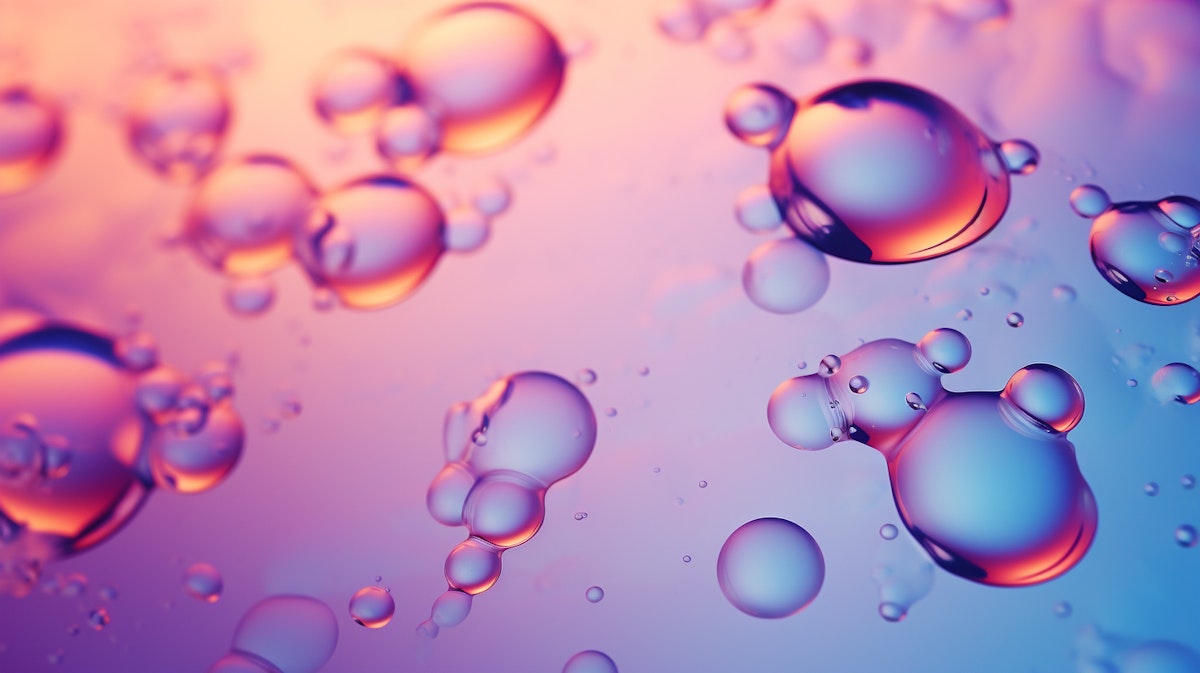
Typography is breaking free from flat design. 3D lettering and bubble fonts add playful depth that captures attention instantly. These dimensional letterforms create natural visual hierarchy and work beautifully across digital and print mediums. Combined with motion graphics, they transform simple text into memorable animated experiences.
2. Bold Color Contrasts and Abstract Gradients
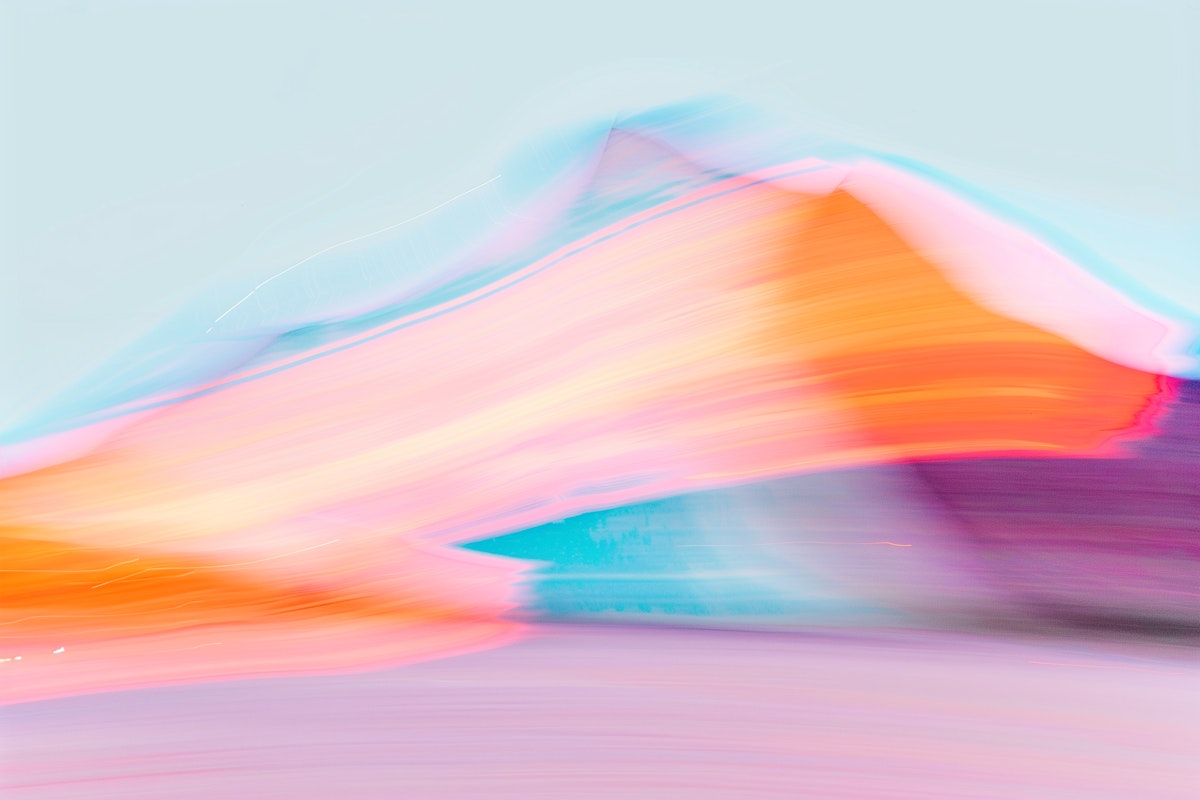
Vibrant, high-contrast color pairings are replacing muted minimalism. Designers are fearlessly combining electric blues with hot pinks, deep purples with acid greens. Complex abstract gradients now feature multi-directional transitions with three or more colors, creating depth without overwhelming content. The versatility is key—bold colors convey urgency while refined gradients signal premium quality.
3. AI-Assisted Design & Human-Centered Digital Experiences
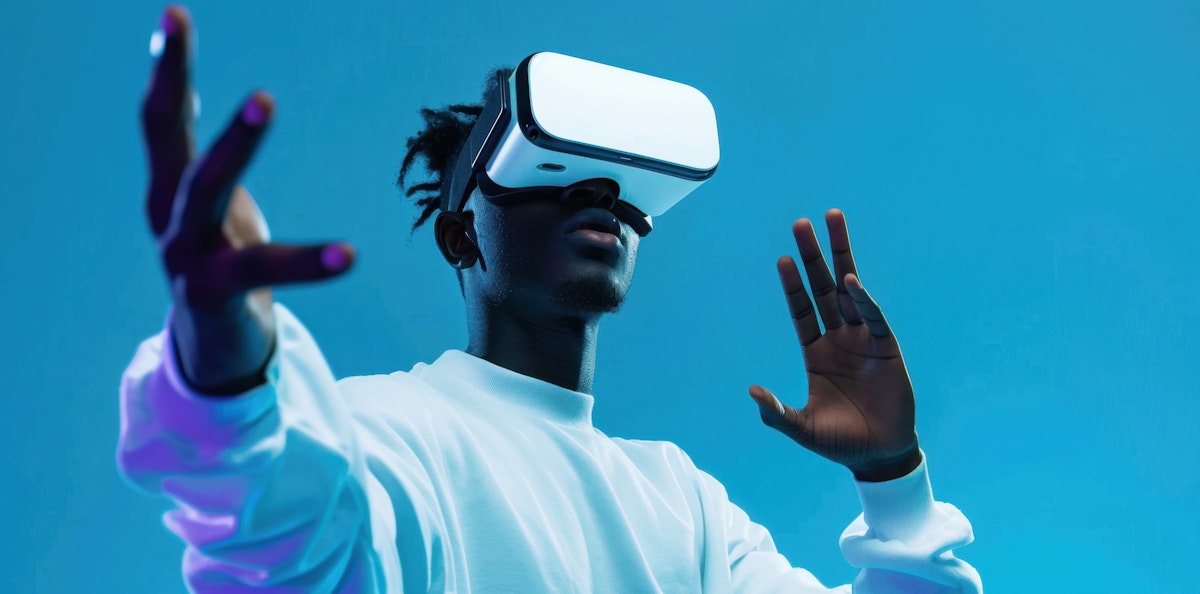
AI is amplifying human creativity, not replacing it. Designers use AI for repetitive tasks and rapid prototyping, freeing them to focus on strategic and emotional design decisions. AI also enables unprecedented personalization—interfaces that adapt to individual behaviors and preferences. The focus remains human-centered, ensuring technology serves people transparently and accessibly.
4. Natural Elements and Tactile Textures
After years of flat minimalism, texture and organic forms are back. Natural materials like wood grain and stone add warmth to digital experiences. Earthy color palettes create calming compositions. Flowing, asymmetrical shapes replace rigid geometry, making designs feel dynamic and inviting. Tactile UI elements with soft shadows and subtle gradients suggest physical interaction.
5. Structural Redesign: Visible Grids and Composition
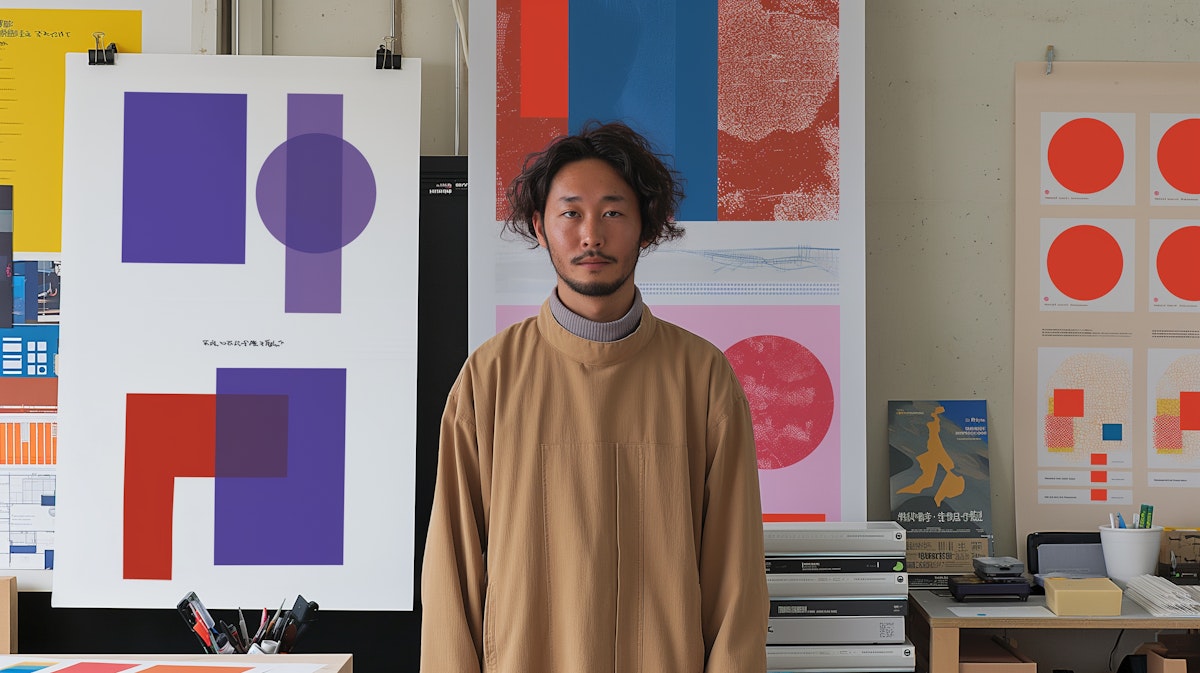
Designers are exposing the grid. Visible alignment guides and compositional frameworks have become aesthetic elements that reveal intentional design thinking. This transparency communicates precision—perfect for tech companies and portfolios. Carefully weighted grid lines enhance rather than distract, and when the structure is visible, breaking it becomes more impactful.
More to Discover

5 DESIGN TRENDS THAT WILL DEFINE 2025
These trends balance bold expression with systematic thinking, digital innovation with natural authenticity. The most compelling 2025 design combines multiple trends thoughtfully, creating experiences that engage audiences emotionally without obvious technique.
Insights
Dec 10, 2025
1. 3D Lettering and Bubble Fonts
Typography is breaking free from flat design. 3D lettering and bubble fonts add playful depth that captures attention instantly. These dimensional letterforms create natural visual hierarchy and work beautifully across digital and print mediums. Combined with motion graphics, they transform simple text into memorable animated experiences.
2. Bold Color Contrasts and Abstract Gradients
Vibrant, high-contrast color pairings are replacing muted minimalism. Designers are fearlessly combining electric blues with hot pinks, deep purples with acid greens. Complex abstract gradients now feature multi-directional transitions with three or more colors, creating depth without overwhelming content. The versatility is key—bold colors convey urgency while refined gradients signal premium quality.
3. AI-Assisted Design & Human-Centered Digital Experiences
AI is amplifying human creativity, not replacing it. Designers use AI for repetitive tasks and rapid prototyping, freeing them to focus on strategic and emotional design decisions. AI also enables unprecedented personalization—interfaces that adapt to individual behaviors and preferences. The focus remains human-centered, ensuring technology serves people transparently and accessibly.
4. Natural Elements and Tactile Textures
After years of flat minimalism, texture and organic forms are back. Natural materials like wood grain and stone add warmth to digital experiences. Earthy color palettes create calming compositions. Flowing, asymmetrical shapes replace rigid geometry, making designs feel dynamic and inviting. Tactile UI elements with soft shadows and subtle gradients suggest physical interaction.
5. Structural Redesign: Visible Grids and Composition
Designers are exposing the grid. Visible alignment guides and compositional frameworks have become aesthetic elements that reveal intentional design thinking. This transparency communicates precision—perfect for tech companies and portfolios. Carefully weighted grid lines enhance rather than distract, and when the structure is visible, breaking it becomes more impactful.
More to Discover
5 DESIGN TRENDS THAT WILL DEFINE 2025
These trends balance bold expression with systematic thinking, digital innovation with natural authenticity. The most compelling 2025 design combines multiple trends thoughtfully, creating experiences that engage audiences emotionally without obvious technique.
Insights
Dec 10, 2025
1. 3D Lettering and Bubble Fonts
Typography is breaking free from flat design. 3D lettering and bubble fonts add playful depth that captures attention instantly. These dimensional letterforms create natural visual hierarchy and work beautifully across digital and print mediums. Combined with motion graphics, they transform simple text into memorable animated experiences.
2. Bold Color Contrasts and Abstract Gradients
Vibrant, high-contrast color pairings are replacing muted minimalism. Designers are fearlessly combining electric blues with hot pinks, deep purples with acid greens. Complex abstract gradients now feature multi-directional transitions with three or more colors, creating depth without overwhelming content. The versatility is key—bold colors convey urgency while refined gradients signal premium quality.
3. AI-Assisted Design & Human-Centered Digital Experiences
AI is amplifying human creativity, not replacing it. Designers use AI for repetitive tasks and rapid prototyping, freeing them to focus on strategic and emotional design decisions. AI also enables unprecedented personalization—interfaces that adapt to individual behaviors and preferences. The focus remains human-centered, ensuring technology serves people transparently and accessibly.
4. Natural Elements and Tactile Textures
After years of flat minimalism, texture and organic forms are back. Natural materials like wood grain and stone add warmth to digital experiences. Earthy color palettes create calming compositions. Flowing, asymmetrical shapes replace rigid geometry, making designs feel dynamic and inviting. Tactile UI elements with soft shadows and subtle gradients suggest physical interaction.
5. Structural Redesign: Visible Grids and Composition
Designers are exposing the grid. Visible alignment guides and compositional frameworks have become aesthetic elements that reveal intentional design thinking. This transparency communicates precision—perfect for tech companies and portfolios. Carefully weighted grid lines enhance rather than distract, and when the structure is visible, breaking it becomes more impactful.